Last December I wrote a blog post called New Year’s Nature Resolutions: 12 Things To Do Outside. I must say I’ve done well. I’ve kept my resolutions, with a few tweaks here and there. My September resolution also included a modification.
I was set to go hiking at Afton State Park. Not far from where I live, I had never been but had heard it was beautiful. I considered camping there but ended up visiting for an afternoon with two friends. That’s been a boon for my nature resolutions—many of them have unexpectedly included family or friends. And honestly, nature adventures are more pleasurable with company.
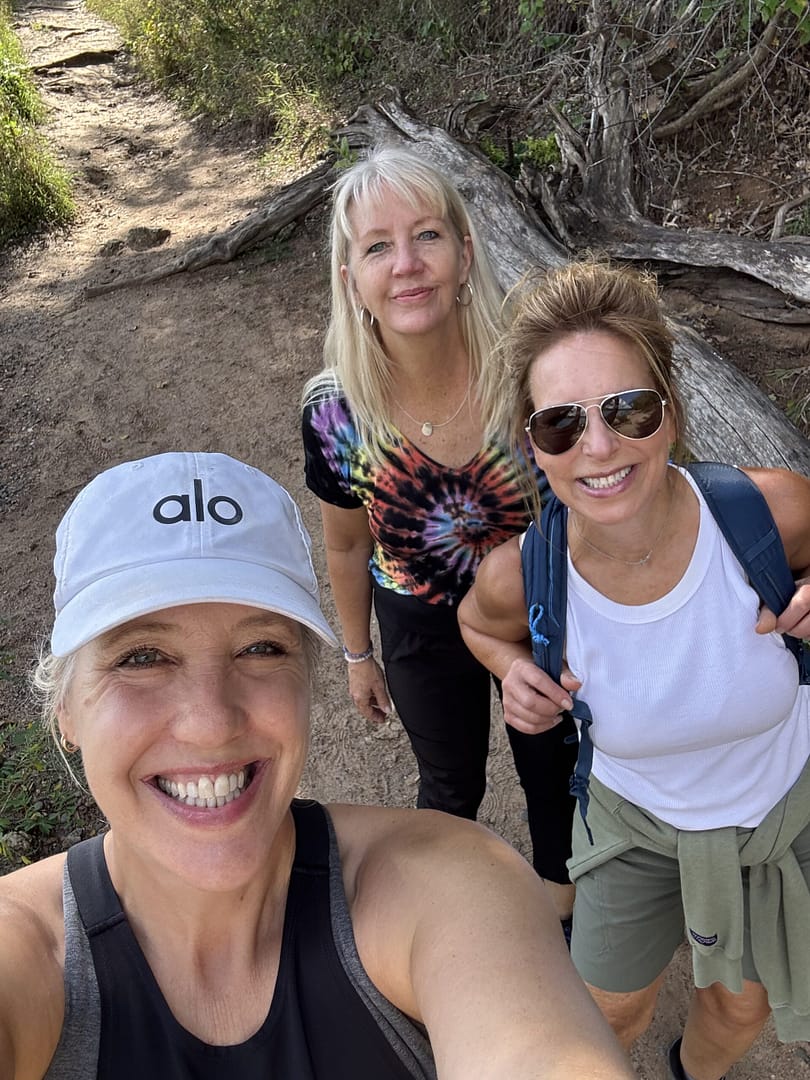
We pulled into Afton just after lunchtime. The late-summer sun sprayed light across open fields and through oak-treed woods. Like me, one of my friends hadn’t been hiking at Afton, but the other had been many times. It was nice to have a seasoned guide. After a quick stop at the trailhead restroom, we set off, ready to see what the park had to offer.
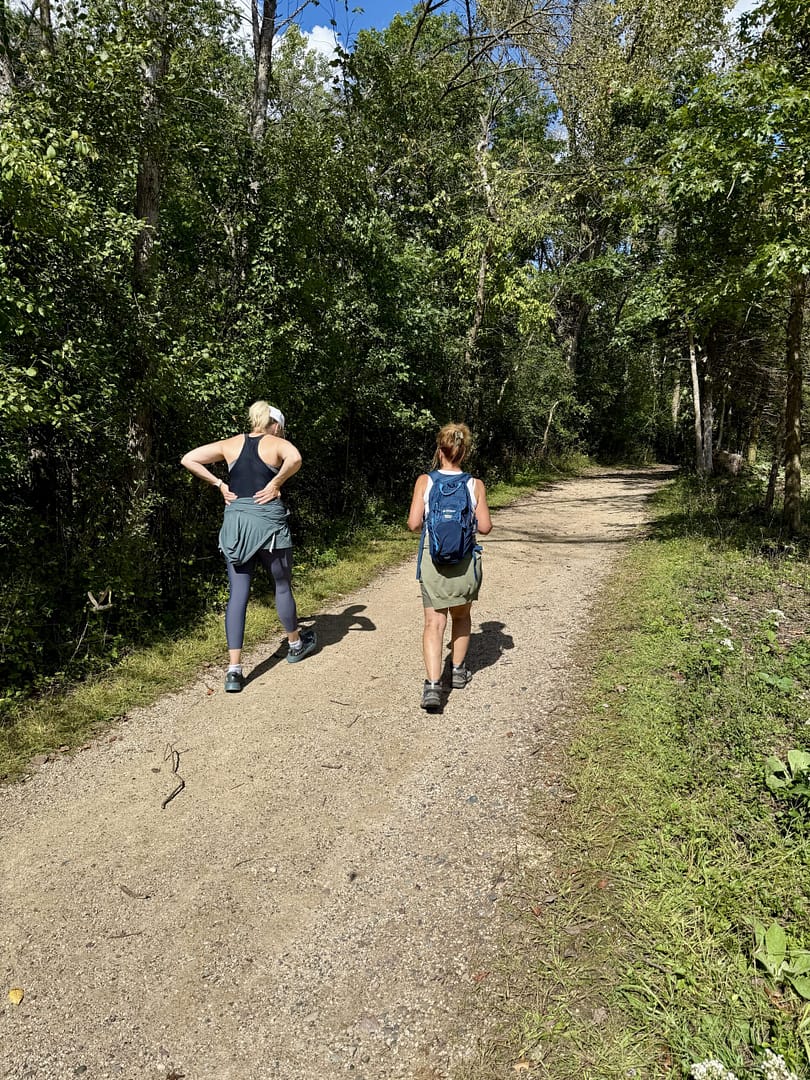
The first thing that struck me was the open fields framed by tall oaks. The land seemed to rise and fall, giving us glimpses of water far below. Acorns crunched underfoot as we walked. I remembered hearing that oak trees don’t produce heavy crops of acorns every year. Some years are acorn-abundant and other years are sparse. It made me curious about how this cycle works, and why nature seems to have its own rhythm of feast and famine.
Nature Note: Why Not Every Year Is an Acorn Year
I decided to do a bit of research. Oak trees practice what’s called masting. During mast years, the trees drop a bumper crop of acorns. At Afton, the acorns nearly covered the ground in some areas. I’m guessing the squirrels are happy this year—acorns are a staple food for them. Next year, acorn production might be light. The cycle is believed to be a survival strategy, with this year’s abundance giving some acorns a chance to sprout into seedlings instead of becoming squirrel supper. Nature has all sorts of survival skills. Fascinating!
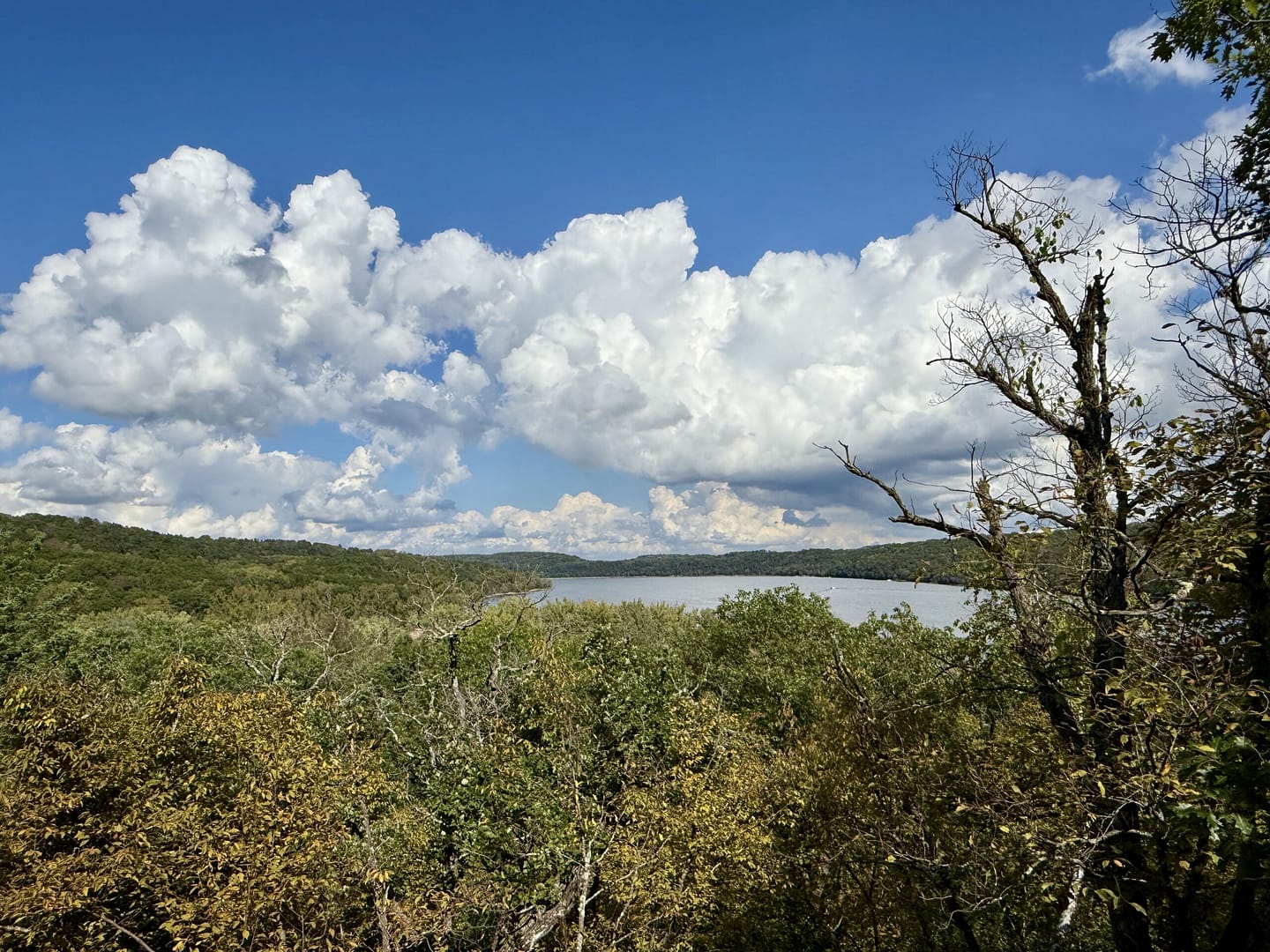
We stopped at an overlook above the St. Croix River, where the hardwood forest stretched out endlessly, still mostly green in mid-September. The leaves hadn’t yet changed into an autumn blaze, but there were hints of color to come. And in the woods, the air held a subtle hint of cool.
At some point we noticed monarch butterflies flying above the treetops. So many floated past I lost count. It was fun to watch them work their wings to gain altitude, then gently glide through the air. I wondered if they were migrating. Long ago I read about their journey south—up to 3,000 miles—and how the monarchs that fly each fall are new. In other words, they do not have last year’s guides to show them the way. Yet somehow, they know where to go. Amazing, miraculous creation!
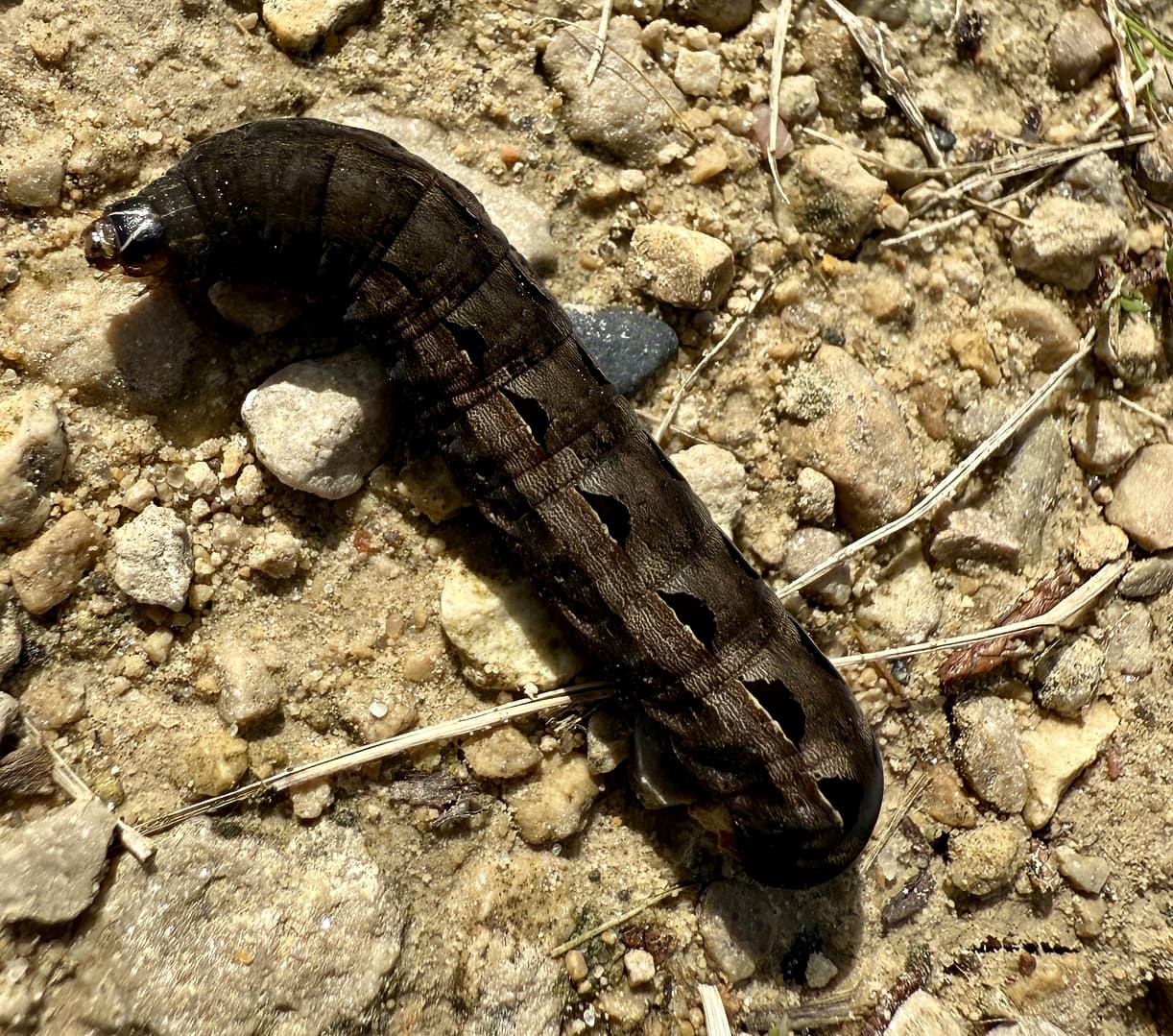
During our hike, we were accompanied by a lot of bugs—daddy longlegs, grasshoppers, boxelders, cicadas singing their end-of-summer chorus. There were the whimsical butterflies and a sizable flock of geese on the river. At one point we passed a field where an armyworm wriggled across the path, a reminder of the small but powerful rhythms of insect life.
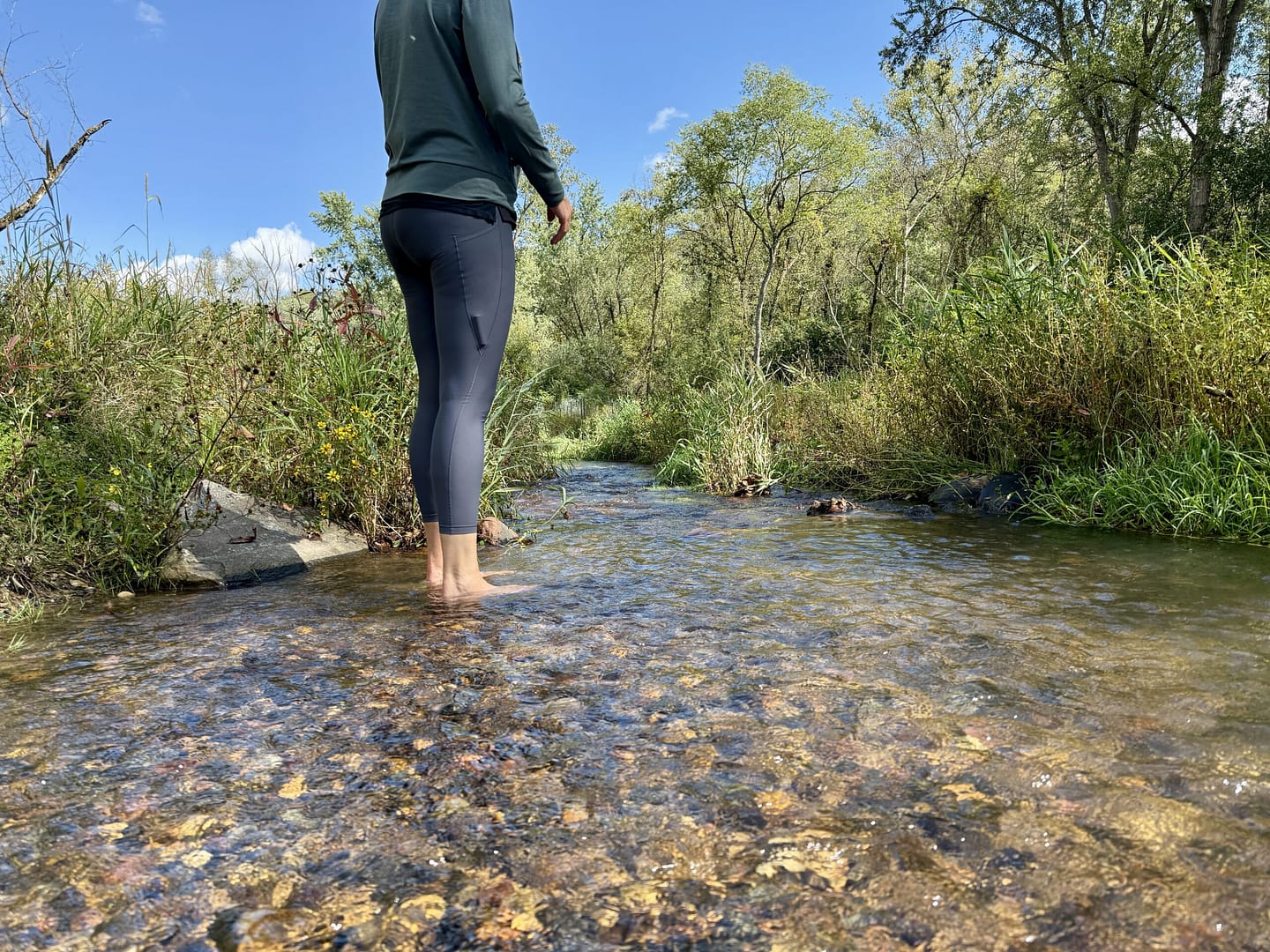
Toward the end of our hike, we stopped by a brook and dipped our feet into the cool water. There was a sense of belonging for me in the running brook. The water flowed smoothly in some parts, clumsy in others. It made me think of life. Smooth, clumsy, smooth, clumsy. Nature has a way of telling me it’s okay to meander in a less-than-graceful manner.
By the time we looped back, the afternoon was beginning to wane. Prairie grasses swayed, and cicadas hummed their buzzy tune as we made our way back to the car. My first visit to Afton was pleasant for a few reasons. The area is beautiful, and I’ll go back. The paths and looped hikes are abundant. A weekend camping trip would be fun and would provide more time to explore the river, the brook, and the trails.
Finally, and perhaps the most pleasurable part of my first visit to Afton State Park, was the company of friends on my September nature resolution. The sweet things in life—the beauty of nature all around—are better shared.
The simple joy of walking with friends. Bugs and birds and water. Patterns in nature. Abundant acorns. Monarch migration.
Isn’t nature—life—amazingly wonderful?