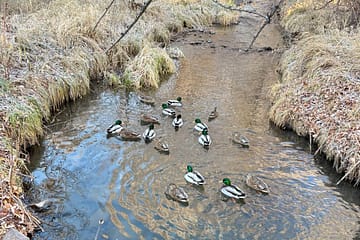
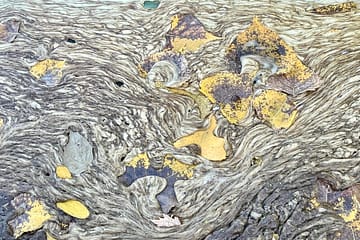
Nature is a great teacher of many things, including a sense of wonder—amazement, curiosity, awe. Look to the sky, the stars at night, or to the earth and the diversity of plant life. Wonder-inspiring! The natural environment is awesome and vast, and it calls us to connect (or reconnect) with it in an intimate way. It doesn’t take much to go outside and see how nature teaches a sense of wonder.
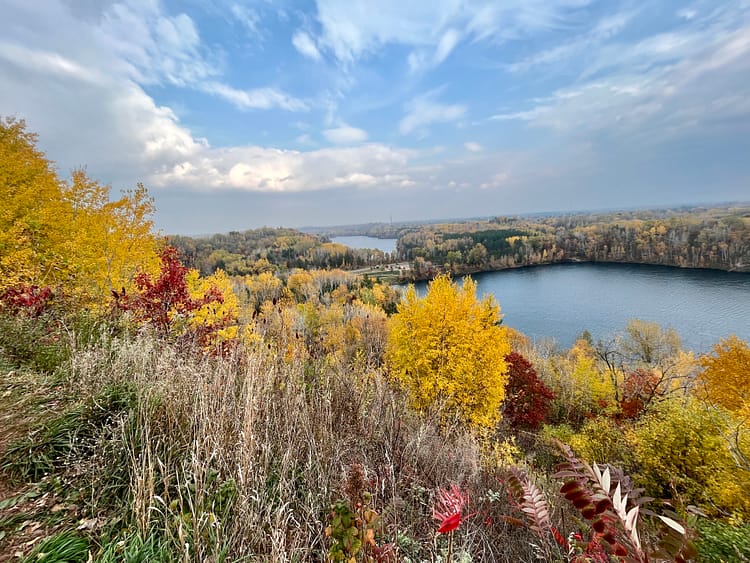
Before we explore why a sense of wonder is beneficial and ways in which nature helps us foster it, I’d like to talk briefly about the effects of neglecting this important quality. I’m not picking on technology, but I am going to talk about my own drive to use it and how that (at one time) diminished my own sense of wonder.
Neglecting a Sense of Wonder
Technology certainly has changed our relationship with wonder. I don’t for one minute consider technology the enemy. On the contrary, I think we have fantastic tools at our fingertips! But for people like me, sometimes technology provides easy access to knowledge and can diminish the sense of wonder that is so vital.
Here’s the deal, I’m a knowledge junkie. I love to know who, what, when, where, why, and how. In journalism school, these important components of a good article were pounded into my head. Combine them with an already insatiable curiosity and thirst for knowledge, and what is the result?
Me. A knowledge-seeking nature geek.
It’s an oxymoron, I suppose, that I’m a nature lover and technology liker (love is a bit strong for tech) at the same time. But I’ve been able to learn so much about the natural environment and things in it—plants and animals—by using my smartphone in the field. When I come across a beautiful beetle, for example, I can snap a picture of it on my phone and look up its name. Then, I can figure out what plant it is crawling on and whether that plant is native to my area. If invasive, I can look up the effect said plant (and beetle if that, too, is invasive) has on the ecosystem, etc. You understand. And I don’t begrudge my curious ways or the technology by which I am able to gain knowledge. What I am say here is too much of a good thing can drown out another good thing, (more like a great thing)—a sense of wonder.
Several years ago, I began a journey into studying nature therapy and connection. I’ve always been a nature lover and always spent a lot of time outdoors, but I knew there was more to being outside and wanted to experience it. What I discovered was how to relate to nature in a new way. Well, not new, but an old way, a revisiting of my childhood. I learned to be in nature, appreciate it and spend time within it, and resurrect my sense of wonder.
Kids do that naturally! Now, I do it intentionally.
Okay, enough about me. What about wonder and what it does for the body and mind?
How Wonder Benefits Us
A sense of wonder is healthy. According to many scientific studies, it is vital to our well-being. Experiencing a sense of wonder provides so many benefits … too many to list, but here are some:
- Key areas of the brain, that have important jobs like controlling how we plan and focus, light up when we experience wonder. (Good article HERE.)
- We get a dopamine hit. Yeah! Who doesn’t like dopamine, that feel-good reward hormone? (Nature is my favorite drug!)
- We feel connected in a significant way. Have you ever felt small but not insignificant? This is true of each of us, small parts of a great big world, but not at all insignificant.
- Stress reduces and happiness increases.
- We experience overall physical health. A sense of wonder is linked to reducing inflammation and a healthier heart. That is true nature-love!
- Creativity, learning, curiosity, and contentment are all fostered when we experience wonder and awe.
- Present living is promoted.
I love the last one: present living. Who hasn’t tried the humanly impossible practice of time traveling? We all do it, and we all know it is not reality! We ruminate on the past and wish we could go back and change some things. We worry about the future and imagine how we can control events that have not happened and maybe never will. Time travelers.
The reality is we can only live in the present, with all creation. Plants and animals in the natural environment always live in the present. It’s the only place we can be and the only place that exists. I love that about nature, how it teaches me to live in the now. I have found fostering my sense of wonder, allowing nature to be an awe-inspiring presence in my life, has helped me remain the only place I can. (Here!)
Nature Teaches a Sense of Wonder
Looking to nature to inspire wonder is as simple as stepping outside. There are so many ways to engage and connect with nature. You don’t have to live in the country, on a lake, in the woods or mountains. Nature is in the city, suburbs, and everywhere void of human-made walls.
Anybody can enjoy the night sky. Hey, I’ll admit the night sky in the country is more brilliant than in the city. Lights near the ground flood out some of the lights high above. It’s just a scientific fact. But the phenomenon that is the night sky—moon and stars and galaxies—can be seen almost anywhere.
Consider the stars. They appear every night. Different constellations are brighter at different times of year. Right now, a favorite of mine, Orion, is becoming more visible. He is the hunter who ushers in the winter, most visible around the solstice, and fades again as spring approaches. Awesome! And my small amount of knowledge regarding stars and constellations doesn’t drown out the vast number of them and how inspiriting and intriguing they are. Simply look up at night and be amazed!
Consider the ant. I love the little critters, how they work and move around with such purpose that I don’t understand. They are strong and live a long time (for insects). There is so much to know about ants, but watching them do what they do is great entertainment. Simply sitting on the ground observing them evokes a sense of wonder.
Patterns in nature are endless. There are symmetrical patterns, spirals, webs, stripes and spots, cracks, etc. The patterns are interesting to watch and oftentimes mysterious. Think about it, the geometrical shapes in honeycombs have been used by bees for … who knows how long!
Endless landscapes, sunrises, sunsets, moonrises, moonsets … Oceans and mountains offer some of the best sun and moon events (I think) and each day is different. Clouds pick up colors early and late in the day that outdo the most magnificent works of art. During the early morning hours, waiting for the moonset or sunrise can fill us with a sense of wonder.

There are so many complex ecosystems in the natural world. We have grasslands, forests, deserts, mountains, water, and countless ways to enjoy and foster curiosity about the environment in which we live. Even a backyard offers countless things to observe and enjoy outside. Birds are a great example of backyard wonder and entertainment. Birdwatching is also relaxing.
The natural options for inspiring wonder are endless. I could go on and list more—snowflakes, leaves, shells, weather, rainbows, life cycles—but I’d run out of room and probably not come close to exhausting the possibilities.
Sense of Wonder Activities
There are many things that can be done outside that will allow nature to teach a sense of wonder. Watch kids at play outside for ideas. Young people are a great example for how we can engage nature and deepen our connection with it.
Here are a few activities I do outside. They are both effective and enjoyable.
Intentional Mind-wandering: This is a practice I relearned in coursework for nature therapy. It is a practice that most of us engaged in during childhood, but many of us lose. The best example I can think of regarding intentional mind-wandering is watching clouds. It matters not what time of year it is. Dress appropriately for the weather so you’re comfortable and find a place to recline. Of course, there need to be clouds in the sky. Lie back and look up. Let your imagination go and think about what the clouds look like. Other forms of intentional mind-wandering are watching bugs (ant hill, spider web), observing things flying in the sky or blowing in the wind, or anything that you can do by simply looking, enjoying, and wondering.
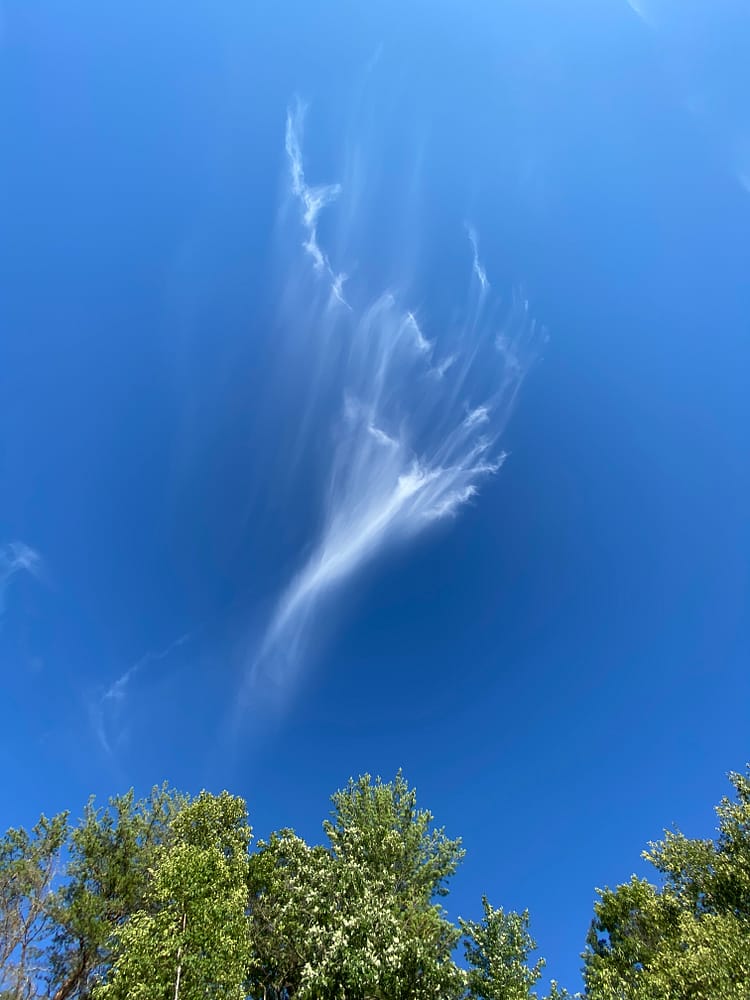
Wondering without Knowing: This is an extension of mind-wandering. It is a relaxed effort to allow your imagination to drift, daydream, and wonder about nature without trying to find out why. Of course, finding out why about anything in nature is great! But fostering a sense of wonder without having to know is a way to let nature teach you a sense of wonder.
Enjoying and Being Grateful: While we are certainly each responsible for caring for nature and this includes work, it is also here for our enjoyment. It is in this respect that I have learned to foster a grateful heart for all I have been provided with in the natural world. Imagine what life would be like without nature. I cannot! Enjoying and being grateful for nature is a worthwhile endeavor.
A sense of wonder is a good thing. It feels nice and evokes positive emotions, like awe, surprise, happiness, and joy. Wonder isn’t frustrating or angering. It’s calm and powerful. It nourishes.
Isn’t that like nature? Nourishing for the soul?
Here’s my encouragement: get outside and do nothing but foster a sense of wonder. Don’t let the wonder-squashers of the world tell you being productive is always the best thing. Sometimes, simply being in nature and feeling awestruck produces a harvest of health.